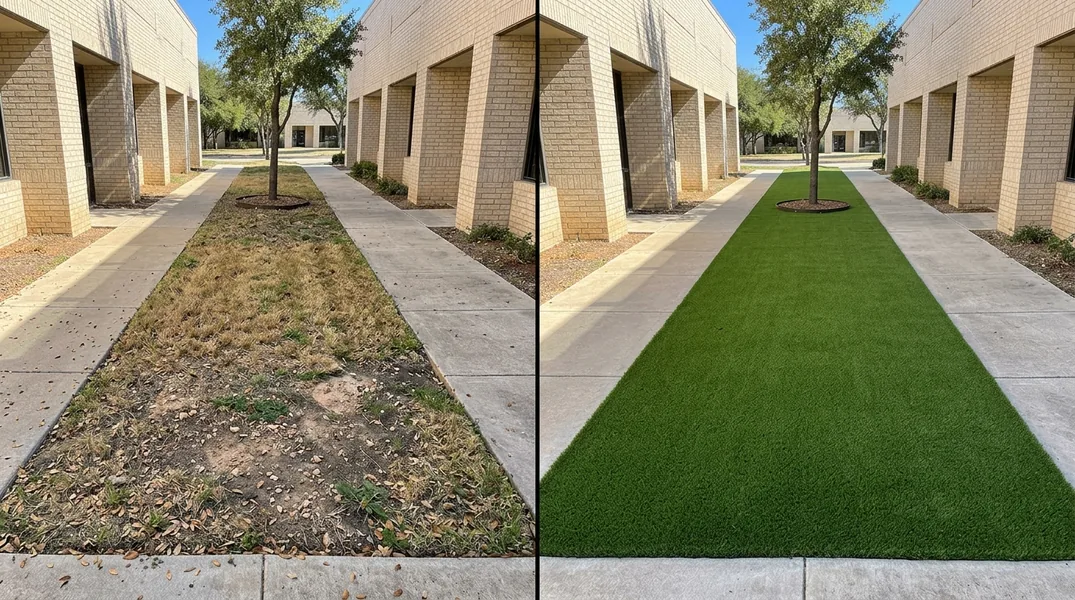
Understanding HOA Rules for Artificial Grass in Round Rock
Homeowners associations in Round Rock play a significant role in shaping neighborhood aesthetics and property standards. If you own a home in a community governed by an HOA, you've likely encountered their bylaws and design guidelines. When it comes to artificial grass, HOA policies vary widely, and understanding these rules before investing in Residential Artificial Grass Installation is essential to avoid costly mistakes or disputes with your neighbors and the association.
Many HOAs across Texas have evolved their stance on synthetic turf over the past decade. What was once universally banned is now increasingly approved, especially as artificial grass technology has improved dramatically. Modern turf looks more natural, performs better in extreme heat, and requires minimal maintenance, making it an attractive option for Round Rock homeowners seeking water conservation and low-maintenance landscaping. However, each association maintains its own standards, and approval is not guaranteed without proper research and application.
Teravista HOA and Artificial Grass Approval
Teravista, one of Round Rock's most established master-planned communities, has specific guidelines governing landscape modifications, including artificial turf installation. The Teravista HOA has historically been cautious about synthetic grass, but recent updates reflect a more flexible approach. Homeowners interested in installing artificial grass in Teravista should first review their community's Design Guidelines and Architectural Review Board (ARB) requirements. These documents outline acceptable materials, color specifications, and installation standards that any turf product must meet.
Before moving forward with any artificial grass project in Teravista, contact the HOA's architectural review committee and submit a formal request. This process typically requires photos of the proposed turf sample, installation plans, and details about the product's composition and UV resistance. Teravista's ARB wants assurance that artificial grass will maintain neighborhood curb appeal and won't degrade prematurely in the Texas heat. Working with an experienced installer like Round Rock Turf Installation can streamline this approval process, as we understand local HOA requirements and can provide documentation that satisfies architectural committees. Call us at (737) 345-9352 to discuss your Teravista project and learn how we navigate HOA approvals.
Forest Creek HOA Guidelines and Synthetic Turf
Forest Creek, another prominent Round Rock neighborhood, maintains its own set of community standards. Forest Creek's HOA has become increasingly receptive to artificial grass installations, particularly for front yards and landscaping projects that demonstrate water conservation and aesthetic appeal. However, like most associations, Forest Creek requires homeowners to obtain written approval before installation begins. The community's Design Review Committee evaluates proposals based on quality, color matching with the neighborhood's natural landscape aesthetic, and proper installation techniques.
Homeowners in Forest Creek should expect their HOA to request samples of the artificial turf product, including information about warranty coverage, UV stability ratings, and drainage specifications. The association wants to ensure that any synthetic turf installation will not create runoff issues or maintenance problems for neighboring properties. Additionally, Forest Creek may have restrictions on turf installation in side yards or backyard areas, so clarifying the scope of your project with the HOA before hiring an installer is crucial. Round Rock Turf Installation has completed numerous projects in Forest Creek and understands the specific approval criteria this community values. Get a free estimate and let us handle the HOA coordination for you.
HOA Turf Rules in Texas: What Homeowners Need to Know
Texas HOA regulations are governed by state law, specifically the Texas Property Code, which outlines the rights and responsibilities of homeowners associations. However, individual HOAs retain significant authority to establish their own architectural and landscaping standards within their communities. Texas law requires that HOA rules be reasonable, consistently enforced, and clearly documented in the community's governing documents. When it comes to front yard artificial grass, Texas HOAs cannot arbitrarily ban synthetic turf if it meets the community's aesthetic and quality standards. This means that even if an HOA has historically prohibited artificial grass, you may have grounds to challenge that restriction if you can demonstrate that modern turf products meet reasonable community standards.
Understanding your HOA's specific rules requires careful review of your community's Design Guidelines, Architectural Control Board procedures, and any amendments addressing landscaping materials. Many Texas HOAs now explicitly permit artificial grass as long as it meets certain criteria: realistic appearance, proper drainage, appropriate color, and professional installation. The key is documentation and communication. Before you invest time and money in a project, request written clarification from your HOA about artificial grass policies. Ask whether front yard installations are permitted, what product specifications are required, and what the approval timeline looks like. This proactive approach prevents costly disputes and ensures your investment is protected.
The Approval Process: How to Get Your HOA to Say Yes
Getting HOA approval for artificial grass requires a strategic, organized approach. Start by gathering all relevant community documents: the Declaration of Covenants, Conditions, and Restrictions (CC&Rs), the Design Guidelines, and any recent amendments or board meeting minutes addressing landscaping or turf. Read these carefully to understand whether artificial grass is explicitly permitted, conditionally approved, or prohibited. If the rules are unclear or outdated, request a formal written interpretation from the HOA board or architectural committee.
Next, select a high-quality artificial grass product that aligns with your neighborhood's aesthetic. Bring product samples to the HOA office or architectural review committee and ask for feedback before submitting a formal application. Include technical specifications such as pile height, color options, UV warranty, and drainage system details. Submit a complete application with before-and-after renderings, product samples, installation timeline, and contractor information. Be prepared to answer questions about maintenance, longevity, and how the turf will integrate with surrounding landscaping. Many HOAs approve artificial grass installations when homeowners demonstrate professionalism and attention to community standards. Round Rock Turf Installation can provide all necessary documentation and product information to support your HOA application, making the approval process smoother and faster.
Front Yard Artificial Grass: HOA Considerations and Best Practices
Front yard artificial grass installations receive more scrutiny from HOAs than backyard projects because they directly impact neighborhood curb appeal and community aesthetics. This heightened attention means your front yard turf must be exceptional in appearance, durability, and maintenance standards. When planning a front yard installation, choose a product that closely mimics natural grass in color, texture, and movement. Avoid overly bright or uniform-looking turf, as these products can look artificial and may face HOA rejection. Professional installation is non-negotiable for front yard projects, as poor installation creates visible seams, uneven surfaces, and drainage problems that HOAs will immediately flag.
Consider your neighborhood's overall landscape character when selecting artificial grass for your front yard. If your community features predominantly cool-season grasses with a fine texture, choose a turf product that reflects those characteristics. If neighbors have warm-season lawns with broader blade profiles, select turf that complements that aesthetic. Proper edging, seamless transitions to hardscaping, and integration with existing plantings are critical details that demonstrate to your HOA that you've invested in a quality, permanent solution. Additionally, maintain your artificial turf regularly by removing debris, rinsing it occasionally, and ensuring drainage systems remain clear. A well-maintained front yard turf installation reinforces the HOA's confidence that artificial grass can be a positive addition to the community. Contact Round Rock Turf Installation at (737) 345-9352 to discuss front yard options that will satisfy your HOA's standards and enhance your home's curb appeal.
Looking for a professional artificial grass installation company in Round Rock? Round Rock Turf Installation responds fast for all your artificial grass installation needs.
Get a Free Quote